Saturday, February 16, 2013

Why is the Laser great for Toenail Fungus!?


Seen on the Doctors!!

The Problem

Toenail fungus (onychomycosis) is an infection of the nail and skin beneath the nail that affects nearly 23 million people in the US-about 10% of all adults. It is a difficult infection to treat. To date treatments included topical medications which don't always work because it is nearly impossible for the medication to penetrate the nail in order for it to reach the infection. Oral medications are available, however they also have limited success (54% due to reoccurance), must be taken for at least 3 months, and have the potential to cause serious side effects i.e. liver complications and drug interactions. Additionally oral medications only treat a limited number of the over 200 fungi that can cause this infection. The newest treatment available uses laser technology to actually kill the fungus at the source of the infection.

The Solution

There is no perfect treatment for nail fungus, however the latest studies using lasers have shown a success rate of approximately 80%. Using one of the most advanced lasers available, near infrared laser light passes through the nail killing the fungus while leaving the nail and surrounding soft tissue unharmed.
Unlike oral medications, The HyperBlue Diode Laser has the unique ability to attack the more than 200 fungi that can be responsible for causing this infection.


So if you are having any issues with you toes and want a treatment that has the potential to clear up those ugly toenails, then call your podiatrist today and schedule an appointment to get a laset treatment today! Because remember when your feet hurt, you hurt all over!!


Saturday, February 2, 2013

NEW YEAR NEW NAILS!


It happens in the beginning of every year.  For their New Year’s Resolution, people eat more vegetables or exercise more only to revert back to their bad habits after 2-3 weeks.  But there is one thing that is able to be fixed: to rid the unsightly stubborn fungus growing under your finger and toenails.

About – 25-30 million Americans have one or more nails infected with one of more than 200 varieties of fungus. It is a common problem that until now has been very difficult to treat. 

Prescribed are often ineffective or only work temporarily.  Pills sometime cause liver damage, loss of taste and stomach upset, and can interact with common cholesterol medications. 

Many podiatrists now have a laser that is FDA-approved laser treatment that can kill fungus on the nails instantly.

Many doctors nationwide are limited by a single and often ineffective one millimeter beam.  But the laser that is used at Dr. Rosenstein’s office, which has variable 15mm beam size, which can provide faster and more precise treatments.

Patients receive up to 3 treatments for fungus nails, which is include in the cost. The success rate is approximately 80%.  

It’s easier to treat fungus nails in its earliest stages. It can take up to six to nine months for new nails to grow. Now is the best time to get your nails treated so they look pretty in time for the spring when sandal season starts.

That is a resolution worth the trouble!

We treat toenail fungus with an advanced FDA approved Hyper Blue Gold Series Diode Laser.  Our laser has proven clinical results. It also offers a painless, safe and quick treatment that needs no anesthesia. You don’t have to take any medications nor have horrible side effects with our laser. The laser is performed by a licensed physician.

So if you are having problems with nail fungus and want your feet to be beach ready, contact your podiatrist today to schedule your appointment and put that New Year’s resolution to rest! Because remember, When your feet hurt, you hurt all over!!

Friday, January 25, 2013

What Is Charcot Foot?


Charcot foot is a condition causing weakening of the bones in the foot that can occur in people who have significant nerve damage (neuropathy). The bones are weakened enough to fracture, and with continued walking the foot eventually changes shape. As the disorder progresses, the joints collapse and the foot takes on an abnormal shape, such as a rocker-bottom appearance.

Charcot foot is a very serious condition that can lead to severe deformity, disability, and even amputation. Because of its seriousness, it is important that patients with diabetes—a disease often associated with neuropathy—take preventive measures and seek immediate care if signs or symptoms appear.

Causes

Charcot foot develops as a result of neuropathy, which decreases sensation and the ability to feel temperature, pain, or trauma. Because of diminished sensation, the patient may continue to walk—making the injury worse.

People with neuropathy (especially those who have had it for a long time) are at risk for developing Charcot foot. In addition, neuropathic patients with a tight Achilles tendon have been shown to have a tendency to develop Charcot foot.

Symptoms

The symptoms of Charcot foot may include:

 •Warmth to the touch (the affected foot feels warmer than the other)

 •Redness in the foot

 •Swelling in the area

 •Pain or soreness

Diagnosis

Early diagnosis of Charcot foot is extremely important for successful treatment. To arrive at a diagnosis, the surgeon will examine the foot and ankle and ask about events that may have occurred prior to the symptoms. X-rays and other imaging studies and tests may be ordered.

Once treatment begins, x-rays are taken periodically to aid in evaluating the status of the condition.

Non-Surgical Treatment

It is extremely important to follow the surgeon’s treatment plan for Charcot foot. Failure to do so can lead to the loss of a toe, foot, leg, or life.

Non-surgical treatment for Charcot foot consists of:

 •Immobilization. Because the foot and ankle are so fragile during the early stage of Charcot, they must be protected so the weakened bones can repair themselves. Complete non-weightbearing is necessary to keep the foot from further collapsing. The patient will not be able to walk on the affected foot until the surgeon determines it is safe to do so. During this period, the patient may be fitted with a cast, removable boot, or brace, and may be required to use crutches or a wheelchair. It may take the bones several months to heal, although it can take considerably longer in some patients.

 •Custom shoes and bracing. Shoes with special inserts may be needed after the bones have healed to enable the patient to return to daily activities—as well as help prevent recurrence of Charcot foot, development of ulcers, and possibly amputation. In cases with significant deformity, bracing is also required.

 •Activity modification. A modification in activity level may be needed to avoid repetitive trauma to both feet. A patient with Charcot in one foot is more likely to develop it in the other foot, so measures must be taken to protect both feet.

When is Surgery Needed?

In some cases, the Charcot deformity may become severe enough that surgery is necessary. The foot and ankle surgeon will determine the proper timing as well as the appropriate procedure for the individual case.

Preventive Care

The patient can play a vital role in preventing Charcot foot and its complications by following these measures:

 •Keeping blood sugar levels under control can help reduce the progression of nerve damage in the feet.

 •Get regular check-ups from a foot and ankle surgeon.

 •Check both feet every day—and see a surgeon immediately if you notice signs of Charcot foot.

 •Be careful to avoid injury, such as bumping the foot or overdoing an exercise program.

 •Follow the surgeon’s instructions for long-term treatment to prevent recurrences,  ulcers and amputation.

Sunday, January 20, 2013

What can a Laser do for Heel Pain?


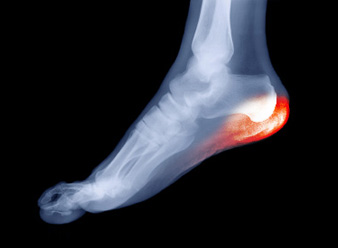
Plantar fasciitis symptoms are the most common kind of heel pain, affecting 2 million people every year. In the United States, 10% of people are developing the condition throughout their lives. Physical therapy, surgery and prescription medications are all used to treat plantar fasciitis symptoms, but now more medical professionals are using laser treatments to manage heel pain in patients.
Heel pain

Causes of heel pain are hard to pinpoint, but not the result. When the ligaments and tendons in the calves become inflamed or damaged, it often results in painful plantar fasciitis symptoms. Exercise, high arches, flat feet, excess weight — many things may contribute to this inflammation and damage. Even wearing the wrong shoes could cause heel pain that leads to plantar fasciitis. Commonly, people who suffer plantar fasciitis symptoms experience pain first thing in the morning.

Managing heel pain

There are many ways to successfully treat plantar fasciitis symptoms. Daily stretching and massage techniques are very effective at relieving and preventing pain. Before you exercise or even go on a light walk, you should stretch out your calf muscles to prevent heel pain. Causes of pain are directly treated with stretching and massage, but prevention is possible, too.

Custom orthotics and supportive insoles protect heels from impact and shock while stepping and exercising. Repeat impact can inflame ligaments and tendons, causing pain. Even when you’re not exercising or walking, you should make sure heels are cushioned and well-supported. Certain shoes, like high heels, can cause plantar fasciitis symptoms and even shorten tendons over time.

Laser treatment

Probably the newest and one of the most effective ways to treat heel pain is the Laser therapy which is being used by medical professionals to treat this pesky problem. Using certain wavelengths of light, the laser is directed right at the site of pain to reduce inflammation and encourage cell repair. Treatments take about 10 minutes. Ultrasound therapy is also being used to treat the pained area. Non-invasive treatments should always be your first option for managing plantar fasciitis symptoms.

Our laser can penetrate deep into the soft tissues, and is a completely non-invasive and painless procedure to jumpstart the body’s own healing response.  The mechanism by which the laser works draws water, oxygen, nutrients, and new blood flow to the affected area to begin the natural repair process of the damaged tissue.

The vast majority of plantar fasciitis patients find total relief in an average of six to eight laser therapy treatments. The treatments last approximately four and a half to five minutes. FDA cleared, laser therapy is now being used by some professional sports teams to help athletes heal a variety of muscular and joint injuries. In addition to heel pain, the laser is used to treat patients with Achilles tendonitis and arthritic joints as well as onychomycosis and other disorders of the nail.  Surgery is possible, but it should only be used as a last resort or if you have tried physical therapy and other treatment methods that aren’t successful. Consult with a physician if you are experiencing chronic heel pain. Causes of heel pain can often be traced back to plantar fasciitis symptoms, but not always. A doctor will help you determine the best possible treatment for your heel pain, and confirm that you have plantar fasciitis and not something else which may be causing similar symptoms. 

If you are having problems with heel pain or pain in your feet, don’t hesitate to call your podiatrist to correctly treat the problem and possibly know if you are a candidate for laser treatments.  Because remember, when your feet hurt, you hurt all over!!

Saturday, January 5, 2013

ARE YOU LOOKING FOR A WAY TO GET RID OF TOENAIL FUNGUS


In our last blog we talked about Fungal infections of the nail (onychomycosis). We wanted to continue on this subject because we feel like this is an important subject!
 Fungal infections are deep beneath the surface of the nail.  They can cause your nails to appear thick discolored and brittle. Nail fungus is a contagious infection caused by more than 200 different types of fungus molds and yeast.  It is usually picked up by walking barefoot on a contaminated floor such as a hotel or locker room.  It usually begins as athletes foot on the skin, which eventually infects the nail. It is a localized infection of the nail and its underlying skin, so it normally does not spread to other parts of the body.

Fungus loves warm moist environments. You’re gym sneakers are a 5 star resort for the family fungi vacation. If you have sweaty feet, you are creating a haven in your shoes and socks for fungus to multiply. A podiatrist can offer several treatments for excessive foot sweating and will help decrease the nasty growth from spreading. It is also suggested to change your socks twice a day and to alternate shoes so as to not wear the same pair two days in a row and thus allowing them to dry and air out.

The fungus that grows under our toenails also grows in our shoes, showers, floors, soil, and almost everywhere you walk. Thus, reoccurrence after the oral medication can be very common. It is important to take preventative measures to keep fungus out of your toenails! There are a number of products that kill fungus in your shoes and on your feet. Using these products weekly after your toenail fungus is gone can help decrease the risk of seeing those ugly toenails.

People unwittingly put themselves at risk by wearing old shoes without socks and mistakenly believe nail fungus cannot reoccur.  It can easily return if proper preventative steps are not followed. 

Fortunately, there is treatment, but not with household products.  Also know that topical medications only work in a small percentage of cases at a very early stage of the infection.  There are also pills that are only available through your doctor that also can help but can cause side effects and/or drug interactions. 

The best choice to rid of that pesky fungus is The Gold Series Laser because it is a fast and effective tool to treat toenail fungus. 

The Gold Series Laser is pain free and requires no recovery time.  You can walk in and walk right out! The procedure takes 15 minutes to treat toes on both feet.

How does the laser work?

The laser kills the fungus that lives in and under the toenail.  The laser light passes through the toenail without causing damage to the nail or the surrounding skin.  At the time of the procedure the toenail will not become instantly clear because it takes time for the nail to grow out. 

Are you ready for a solution that works? Ask your podiatrist for more info today! The Gold Series Diode Laser! 

Monday, December 31, 2012

Nail Fungus! What it is and how it is treated!


Nail Fungus, otherwise known as Onychomycosis, causes fingernails or toenails to thicken, discolor, disfigure, and split. At first, onychomycosis appears to be only a cosmetic concern. Without treatment, however, the toenails can become so thick that they press against the inside of the shoes, causing pressure, irritation, and pain.

  Half of all nail disorders are caused by onychomycosis, and it is the most common nail disease in adults. Toenails are much more likely to be infected than fingernails. The incidence of onychomycosis has been increasing and is related to diabetes, a suppressed immune system, and increasing age. Adults are 30 times more likely to have onychomycosis than children. In fact, only 2.6% of children younger than 18 years are reported to have it, but as many as 90% of elderly people have onychomycosis. Why do toenails thicken as we age you ask? With age there is a rapid decrease in the growth rate for both toenails and fingernails.  As a result both kinds of nail thicken because of the piling up of nail cells.

Other factors that can affect the rate of thickening include long-term trauma and impaired circulation. Peripheral Arterial Disease, which impairs circulation, most often affects the feet can also cause thickened, brittle nails that can often be confused with nail fungus, or simultaneously associate with onychomycosis and its effects.

Nail fungus can be treated in many ways. The most common treatments are topical antifungals that can be painted on the nail like nail polish, which penetrate the nail directly, and get directly to the fungus.  There are many over the counter liquid remedies over the counter, but for the best outcome to onychomycosis, the best treatment for it is prescription strength such as CNL-8, Onychol, or Formula3 to name a few.  

Other treatments include prescriptions like Lamisil, which are a medicine that you can take orally that gets to the fungus by going through the bloodstream and killing the fungus internally. 

A new treatment that has just recently came to light, is the state-of-the-art Laser that treats many different disorders, including warts and plantar faciitis.  The laser is painless and there is no anesthesia needed for nail treatment. Nail lasers are very effective but sometimes costly.  With the laser, there are no side effects and no need for any drugs. With it, sometimes there is a need for more than one treatment to rid of the pesky fungus. 

If you have any problems with your nails or notice any discoloration or thickening of your nails, call your podiatrist right away so they can find the best treatment for your problem, because remember, “if your feet hurt, you hurt all over!”

Tuesday, December 11, 2012

Plantar Warts. What to do?


Sometimes painful and very ugly, plantar warts appear as small lesions on the sole of the foot, and occasionally the toes.  In their early stages they look like small black puncture marks, but as they grow they turn brown and take on a cauliflower-like appearance.  A black spot may develop in the middle, which is caused by bleeding.  Plantar warts are pushed deep into the skin by the weight of your body as you walk, which is why they can hurt a lot. Plantar warts are hard warts that grow most commonly on the bottom of feet.  They can be quite painful since they tend to grow inward on foot's surface.  People comment that having a plantar wart is like walking on a stone all day.

Sometimes a group of small plantar warts develop in one spot on the foot.  The smaller plantar warts then form a plaque-like covering.  These warts are called mosaic warts because of the mosaic look of the plaques.

Symptoms

Unless feet are checked regularly, the first time a person is aware of plantar warts is pain when walking.  Then on checking their soles they may notice an unusual rough crusty lump that feels tender and sore.  Plantar warts are sometimes mistaken for corns or calluses but there are several differences to look out for when trying to determine if you have a plantar wart or something else.  Plantar warts have one or more black pinpoints within the growth.  These pinpoints are actually clotted blood vessels.  Calluses are smooth and clear.Plantar warts also have well defined boundaries and rough surfaces whereas calluses are less defined around the edges and are have much smoother surfaces.

Causes

These uncomfortable growths are caused by the human papilloma virus (HPV) which thrives on warm, moist surfaces such as those found in swimming pools, locker rooms, and bathrooms.  It is a highly contagious pathogen and can survive for several months without a human host.  The only way to catch HPV is by direct contact, and the viral route into you is through cuts, abrasions, and other skin breaks on your feet.  If an infected person walks barefoot on a floor, virus particles may be released which you could catch by walking across the same surface.   It’s also possible to become infected by using a towel of a person with plantar warts.

Treatments

If you have plantar warts there is absolutely nothing to be worried about, even though they can be painful.  They are benign non-cancerous growths and there is a range of treatments on offer to eradicate them.   Many plantar warts disappear after a few months or years, and doctors recommend that you should seek help only if they are painful.   However, they present a tough challenge to the medical profession as evidence shows that there is no single therapy that is capable of bringing about complete remission from plantar warts in every patient.


Plantar warts can be eradicated by salicylic acid which is available from drug stores.  Applied daily to the troubled area, the solution breaks down viral cells and can lead to wart removal in about four weeks.

Stronger treatments which can be obtained from a doctor include cryotherapy, that is freezing the warts off with liquid nitrogen or nitrous oxide.  Electrosurgury involves the application of an electric needle to the middle of the wart until it boils, and then it is scraped out.  Warts can also be removed by pulses of laser energy which heat up the blood vessels within the wart, resulting in a necrotic wart that eventually falls off.     However, some of these surgical techniques can be quite painful, and may need to be repeated.

If you have a plantar wart, treat it immediately, before the lumps and bumps take over.  But the first line of defense is to protect yourself by keeping feet clean and dry, and avoid walking barefoot in communal bathing areas, especially if you have cuts or scratches on your feet.  If you do notice a plantar wart then cover it up with a plaster. In some instances this may be all that is needed to clear it up.

Children and people with immune deficiencies are especially susceptible to HPV so it is extremely important that precautions are taken so they will not be exposed to the virus.  Wear protective footwear, especially in public places that may be contaminated such as gyms, locker rooms, pools, and other wet warm places.
If you or anyone you know thinks they may have a wart, contact your Podiatrist to set up an appointment to get your warts treated as quickly as possible. Warts are contagious and should be taken care of as soon as you see one. Because remember, when your feet hurt, You Hurt all Over!